


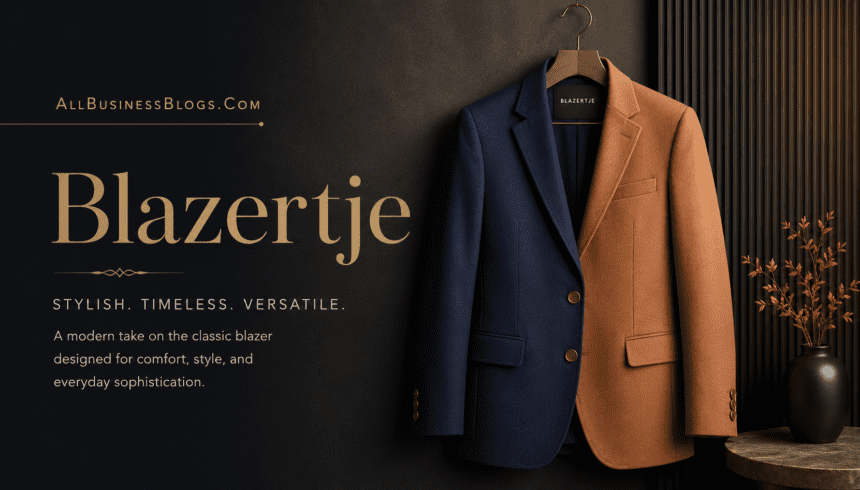
Introduction
Fashion constantly evolves, yet only a handful of garments remain relevant through changing trends, lifestyles, and generations. The blazer is one of those rare wardrobe essentials. Originally associated with formal dress codes and business attire, it has gradually transformed into a versatile piece that fits almost every style. Today, people wear blazers not only in offices but also at social gatherings, casual outings, creative workplaces, and even everyday activities.
Within this evolution, the term Blazertje has started appearing in fashion discussions and online searches. While the word originates from the Dutch language, where the suffix “-tje” creates a smaller or more affectionate version of a noun, its use in fashion extends beyond a simple translation. Rather than referring to a completely different garment, Blazertje is commonly understood as a more relaxed, modern interpretation of the traditional blazer—one that places equal importance on comfort, versatility, and contemporary styling.
Unlike conventional blazers that often prioritize structure and formality, a Blazertje reflects today’s changing approach to dressing. Modern wardrobes are no longer divided strictly between formal and casual clothing. Instead, people prefer pieces that adapt effortlessly to different situations throughout the day. A well-designed Blazertje can transition from a morning meeting to an afternoon coffee break or an evening dinner without appearing out of place. This flexibility is one of the reasons similar blazer styles have become increasingly popular among individuals who value both practicality and timeless design.
It is also important to understand that Blazertje is not an officially recognized fashion category or a universally defined garment. Instead, it is best viewed as a descriptive term inspired by the classic blazer, often used to describe softer, lighter, and more contemporary versions of this iconic jacket. Recognizing this distinction helps avoid confusion while providing a clearer understanding of where the term fits within modern fashion.
This guide explores the concept of Blazertje in depth, explaining its linguistic background, design characteristics, styling possibilities, materials, construction, practical uses, and the reasons why contemporary blazer designs continue to play an important role in today’s fashion landscape.
What Is a Blazertje?
Understanding the idea behind Blazertje begins with understanding the blazer itself. A traditional blazer has long been recognized as a tailored jacket designed to bridge the gap between highly formal suit jackets and more casual outerwear. It offers structure, sophistication, and versatility, making it one of the most enduring garments in fashion history. The concept of Blazertje builds upon this foundation by embracing a more relaxed interpretation that reflects the needs of modern lifestyles.
From a linguistic perspective, the word Blazertje comes from Dutch. In Dutch grammar, the suffix “-tje” functions as a diminutive, often indicating something smaller, lighter, or more familiar. When attached to the word “blazer,” it creates “Blazertje,” which literally translates to “little blazer.” Although this translation is straightforward, its use within fashion is more interpretive than literal. It does not necessarily describe a miniature garment but rather suggests a blazer that feels lighter, softer, and less formal in appearance.
In practice, the term is often associated with blazer designs that move away from rigid tailoring. These garments may feature relaxed silhouettes, lighter fabrics, reduced internal structure, and simplified construction while preserving the polished appearance that makes blazers so versatile. Instead of emphasizing strict business attire, they focus on adaptability, allowing wearers to move comfortably between professional environments, casual occasions, and social events.
Another important characteristic of the Blazertje concept is accessibility. Traditional blazers have sometimes been viewed as clothing reserved for formal settings or corporate environments. Modern interpretations challenge that perception by making tailored jackets easier to incorporate into everyday wardrobes. Paired with denim, knitwear, sneakers, dresses, or even simple T-shirts, these contemporary blazers demonstrate that elegance does not always require strict formality.
The History and Evolution of the Blazer
The blazer is often viewed as a modern wardrobe essential, but its origins date back well over a century. Before it became a symbol of smart-casual dressing and contemporary fashion, the blazer served practical and ceremonial purposes. Its transformation from a specialized jacket into one of the world’s most versatile garments reflects broader changes in society, work culture, and personal style. Understanding this history also provides valuable context for appreciating how modern interpretations, such as the Blazertje concept, have emerged.
Although fashion trends change rapidly, garments that combine practicality with timeless design tend to remain relevant. The blazer is one of those rare examples. Rather than disappearing as new trends appeared, it continuously adapted to meet the changing expectations of different generations. Every stage of its development introduced new fabrics, cuts, and styling approaches, gradually shaping the modern blazer that people wear today.
Unlike many garments that are associated with a single era or fashion movement, the blazer has evolved through military influence, sporting traditions, academic culture, business attire, and contemporary street fashion. Each period added new characteristics while preserving the jacket’s distinctive balance between elegance and functionality.
The Early Origins of the Blazer
The exact origin of the blazer has been debated by fashion historians, but several well-documented stories explain how this distinctive jacket first gained recognition.
One widely accepted account traces its roots to the nineteenth century, when brightly colored jackets were worn by members of rowing clubs in Britain. These jackets stood out because of their vibrant appearance, earning the nickname “blazers” due to their blazing colors. Unlike formal coats of the period, they were designed to allow greater freedom of movement while still presenting a coordinated and polished appearance.
Another important influence came from naval uniforms. Officers in the British Royal Navy commonly wore dark blue jackets featuring brass buttons and clean tailoring. These jackets emphasized discipline, structure, and professionalism while remaining practical enough for everyday duties. Over time, many of these military-inspired design elements—including structured lapels, button arrangements, and tailored silhouettes—became defining features of civilian blazers.
Although these early garments differed in appearance, they shared an important characteristic: they occupied a space between highly formal clothing and purely functional outerwear. This balance would eventually become one of the blazer’s greatest strengths.
As the nineteenth century progressed, tailored jackets became increasingly popular among universities, sporting organizations, and private clubs. Wearing a blazer often represented membership, identity, and social status. While styles varied between institutions, the overall design emphasized neat tailoring, durability, and understated elegance.
From Formal Uniform to Everyday Fashion
For many decades, blazers remained closely associated with formal settings. They appeared in schools, universities, professional organizations, and ceremonial occasions, where they conveyed respectability and professionalism. Tailors focused on creating structured garments with firm shoulder construction, heavier wool fabrics, and carefully shaped silhouettes that reflected the formal standards of the time.
As the twentieth century progressed, however, fashion began to move in a different direction. Society became less rigid, workplaces adopted more relaxed dress codes, and people increasingly looked for clothing that combined sophistication with comfort. These cultural changes encouraged designers to rethink the traditional blazer without abandoning its timeless appeal.
Instead of viewing the blazer solely as business attire, designers started experimenting with softer materials, lighter internal construction, and more comfortable fits. Heavy padding was gradually reduced in many designs, allowing jackets to move more naturally with the body. The emphasis shifted from creating perfectly rigid silhouettes to achieving effortless elegance.
This period marked an important turning point. The blazer was no longer confined to offices or formal occasions. It became suitable for dinners, weekend outings, travel, creative workplaces, and everyday wear. This broader role significantly expanded its popularity across different age groups and lifestyles.
The Rise of Contemporary Tailoring
Modern tailoring reflects changing expectations about how clothing should feel as much as how it should look. Today’s consumers often prioritize flexibility, comfort, and versatility alongside appearance. Designers have responded by developing jackets that retain the sophistication of traditional tailoring while eliminating unnecessary stiffness.
This evolution introduced several noticeable changes. Contemporary blazers often feature softer shoulder construction, lighter canvassing, breathable fabrics, simplified lining, and relaxed silhouettes. Rather than restricting movement, these garments are designed to provide comfort throughout an entire day of wear.
Advances in textile technology have also played an important role. Natural fibers such as linen and cotton continue to be popular, while modern wool blends offer improved breathability, wrinkle resistance, and year-round comfort. Stretch fabrics have further enhanced mobility without compromising the clean appearance expected from tailored clothing.
Another defining characteristic of contemporary tailoring is versatility. Instead of designing separate wardrobes for work, social events, and leisure activities, many people now prefer garments capable of adapting to multiple situations. A modern blazer may be paired with tailored trousers in the morning, jeans during the afternoon, and chinos for an evening gathering, all without appearing out of place.
This emphasis on adaptability reflects broader lifestyle changes rather than temporary fashion trends.
How the Blazertje Concept Fits Into This Evolution
Understanding the historical development of the blazer makes it easier to understand the idea behind Blazertje. Rather than representing an entirely new garment, Blazertje can be viewed as part of the natural evolution of blazer design. It reflects the growing preference for clothing that balances traditional tailoring with everyday practicality.
In many fashion contexts, the term is associated with jackets that are lighter, less structured, and easier to style than conventional business blazers. These garments often feature softer fabrics, relaxed proportions, minimal shoulder padding, and simplified construction. The goal is not to replace the classic blazer but to reinterpret it for modern lifestyles where flexibility matters just as much as appearance.
This shift also reflects changing attitudes toward personal style. Today’s fashion is less focused on strict rules and more concerned with individual expression. People increasingly combine tailored garments with casual clothing, creating outfits that feel polished without appearing overly formal. A lightweight blazer worn with denim, knitwear, or sneakers illustrates how tailoring has adapted to contemporary tastes while preserving its timeless elegance.
It is important to remember that Blazertje should be understood as a descriptive concept rather than a universally standardized fashion category. Designers and retailers may interpret the idea differently, yet the underlying principle remains remarkably consistent: creating blazer styles that are more approachable, comfortable, and adaptable while maintaining the refined qualities that have defined the blazer for generations.
The journey from nineteenth-century rowing jackets to today’s relaxed tailoring demonstrates that timeless fashion rarely stands still. Instead, it evolves carefully, responding to the changing needs of those who wear it. The concept represented by Blazertje is simply the latest chapter in that ongoing story.
The Key Characteristics That Define a Blazertje
Although the idea of a Blazertje is rooted in the classic blazer, its identity is shaped by a series of thoughtful design choices that make it feel more adaptable to modern lifestyles. It is not defined by a single cut, fabric, or color. Instead, it represents a broader approach to tailoring that emphasizes comfort, versatility, and effortless style while preserving the refined appearance that has always made blazers popular.
One of the reasons people appreciate this modern interpretation is its ability to fit naturally into everyday wardrobes. Traditional blazers often carry a strong association with business meetings, formal occasions, or professional dress codes. A Blazertje, by contrast, is designed to move comfortably between different environments. Whether paired with tailored trousers for work or denim for a relaxed weekend, it maintains a polished look without appearing overly formal.
Rather than relying on rigid tailoring, contemporary blazer designs focus on creating garments that feel comfortable to wear for extended periods. Every element—from the silhouette to the fabric selection—contributes to that goal. Understanding these individual characteristics provides a clearer picture of what distinguishes a Blazertje from more conventional tailoring.
A Relaxed Yet Refined Silhouette
Perhaps the most noticeable difference between a traditional blazer and a Blazertje is its overall silhouette. Conventional blazers are often designed to create a sharp, structured profile, with defined shoulders, precise shaping, and a close-fitting cut that emphasizes formality. While this remains appropriate for many professional settings, modern lifestyles increasingly favor clothing that feels less restrictive.
A Blazertje generally adopts a softer silhouette that allows for greater freedom of movement. Rather than closely following every contour of the body, it often features a slightly relaxed fit that creates a balanced appearance without sacrificing elegance. This subtle adjustment makes the garment feel approachable while still maintaining the clean lines associated with tailored clothing.
The relaxed silhouette also improves versatility. It allows the jacket to layer comfortably over lightweight shirts, knitwear, or even fine sweaters without feeling bulky. As a result, the same blazer can be worn comfortably throughout different seasons, reducing the need for multiple specialized jackets.
Another advantage of this approach is its broad appeal. A softer fit accommodates different body shapes more naturally than highly structured tailoring. Instead of demanding a perfectly tailored appearance, it creates a polished look that feels effortless rather than overly formal.
Lightweight Construction for Everyday Comfort
One of the defining characteristics of many contemporary blazers is their lighter internal construction. Traditional tailoring often relies on multiple layers of canvas, lining, shoulder padding, and reinforcement materials to create a crisp silhouette. While these techniques produce impressive structure, they can also increase weight and reduce flexibility.
Modern blazer designs frequently simplify this construction. By reducing unnecessary internal layers, designers create jackets that feel noticeably lighter without losing their tailored appearance. This makes them more comfortable during long working days, travel, or extended social events where heavier garments may become uncomfortable.
Lightweight construction also improves natural movement. Instead of resisting the body’s motion, the jacket moves more freely with the wearer. This creates a more relaxed experience while preserving the sophistication expected from tailored outerwear.
For many people, comfort is no longer viewed as a compromise but as an essential part of good design. A well-made Blazertje demonstrates that elegance and practicality can exist within the same garment.
Fabric Selection Shapes Both Appearance and Performance
Fabric is one of the most influential factors in determining how a blazer looks, feels, and performs. While traditional business blazers are commonly associated with heavier wool fabrics, contemporary blazer designs embrace a much wider variety of materials suited to different climates, occasions, and personal preferences.
Natural fibers such as cotton and linen remain popular because they provide excellent breathability. Cotton offers softness and durability, making it suitable for regular wear, while linen creates a lighter feel that performs especially well in warmer temperatures. Although linen wrinkles more easily than some fabrics, many people appreciate its relaxed texture as part of its natural character.
Wool continues to play an important role as well, particularly in lightweight or blended forms. Modern wool blends combine the temperature-regulating properties of natural wool with improved softness and flexibility, making them suitable across multiple seasons rather than only during colder weather.
Some contemporary designs also incorporate a small percentage of stretch fibers. These additions improve mobility without dramatically altering the appearance of the garment. Rather than replacing traditional materials, they simply enhance comfort for everyday use.
Choosing the right fabric ultimately depends on climate, intended use, and personal style. A breathable linen blend may be ideal for summer, while lightweight wool provides greater versatility throughout the year. Understanding these differences helps buyers select a blazer that suits both their wardrobe and lifestyle.
Simpler Tailoring Without Losing Elegance
Tailoring remains at the heart of every quality blazer, but modern tailoring often achieves elegance through restraint rather than complexity. Instead of relying on heavy shoulder padding, thick interlinings, or rigid shaping, contemporary designs frequently emphasize cleaner construction and natural drape.
This simplified approach creates a jacket that appears refined without feeling stiff. The shoulders often follow the body’s natural shape, producing a softer profile that works equally well in professional and casual environments. Reduced internal structure also allows fabrics to move more naturally, contributing to a more comfortable fit.
Attention to detail remains essential. Clean stitching, balanced proportions, carefully finished lapels, and properly positioned pockets all contribute to the garment’s overall quality. Rather than attracting attention through elaborate decoration, a well-designed Blazertje demonstrates craftsmanship through precision and thoughtful construction.
The result is a blazer that feels contemporary while respecting the principles of traditional tailoring. It maintains the elegance expected from a tailored jacket but expresses it in a quieter, more relaxed manner.
Versatility That Extends Beyond Formal Wear
Perhaps the greatest strength of a Blazertje is its remarkable versatility. Unlike garments designed for only one specific purpose, it adapts naturally to a wide variety of situations. This flexibility reflects changing lifestyles in which people often move between work, travel, social gatherings, and personal activities within the same day.
A single blazer can easily transition between different outfits with only minor adjustments. Worn over a button-down shirt with tailored trousers, it creates a polished professional appearance. Paired with a plain T-shirt and dark jeans, the same jacket immediately feels more relaxed while still maintaining an element of refinement. Layered over a lightweight knit or fine turtleneck, it becomes suitable for cooler weather without requiring significant changes to the overall outfit.
This adaptability also supports a more thoughtful approach to building a wardrobe. Instead of purchasing separate jackets for every occasion, many people prefer investing in versatile pieces that can be styled in multiple ways. A well-designed Blazertje aligns perfectly with this philosophy by offering lasting value through flexibility rather than novelty.
Its ability to complement both classic and contemporary clothing explains why similar blazer styles continue to remain relevant despite constantly changing fashion trends. Rather than following short-lived seasonal fashions, they provide a dependable foundation that evolves naturally alongside personal style.
Design Elements That Give a Blazertje Its Modern Identity
A blazer’s overall appearance is not determined by a single feature. Instead, it is the result of many carefully balanced design decisions working together. From the shape of the lapels to the placement of pockets and the way the fabric drapes across the body, every detail contributes to the garment’s personality. In the case of a Blazertje, these elements are often simplified and refined to create a look that feels contemporary without losing the elegance associated with classic tailoring.
Modern fashion places increasing importance on clothing that performs well in everyday life. As a result, designers pay closer attention to comfort, practicality, and versatility while preserving the timeless character that makes a blazer a wardrobe essential. The following design elements help explain why modern blazer styles feel noticeably different from their traditional counterparts.
Lapel Design: The Detail That Frames the Entire Jacket
Although lapels may appear to be a small part of a blazer, they play a significant role in defining its overall style. The width, angle, and shape of the lapel influence how formal or relaxed the jacket appears. Even subtle changes can completely alter the garment’s character.
Many contemporary blazer styles favor notch lapels because of their balanced and versatile appearance. This classic design works comfortably in both professional and casual settings, making it one of the most practical choices for everyday wear. Its clean lines complement a wide variety of shirts, knitwear, and accessories without dominating the overall outfit.
Some fashion-forward designs experiment with wider lapels or softer roll lines that create a more relaxed silhouette. Instead of emphasizing rigid structure, these details contribute to an effortless appearance while maintaining sophistication. The lapel becomes less of a formal statement and more of a natural extension of the jacket’s design.
Regardless of style, well-proportioned lapels should always complement the wearer’s frame. A thoughtfully designed lapel creates visual balance, drawing attention to the upper body without overwhelming the overall silhouette.
Shoulder Construction Shapes the Character of the Blazer
One of the most noticeable differences between traditional tailoring and modern blazer design lies in the shoulders. Historically, blazers often featured firm shoulder padding that created a sharp and commanding silhouette. While this remains appropriate for certain formal garments, contemporary tailoring frequently adopts a softer approach.
A modern Blazertje often uses minimal or lightly structured shoulder construction. Rather than forcing a pronounced shape, the jacket follows the natural contours of the body. This creates a relaxed appearance that feels approachable while still maintaining a polished profile.
Reducing shoulder padding also improves comfort. The jacket becomes lighter, less restrictive, and easier to wear for extended periods. Many people appreciate this natural fit because it allows freedom of movement without sacrificing elegance.
This softer construction reflects broader changes in fashion. Today’s tailoring focuses less on creating rigid silhouettes and more on enhancing the wearer’s natural posture and proportions.
Button Configuration Balances Style and Function
Buttons may seem like simple fastening tools, but they significantly influence a blazer’s visual identity. Their number, placement, and spacing affect both appearance and practicality.
Single-breasted blazers remain the most versatile option for modern wardrobes. With one or two buttons, they create a clean, streamlined silhouette suitable for both formal and casual settings. This simplicity makes them especially popular among people seeking adaptable clothing.
Double-breasted designs offer a more structured and distinctive appearance. Their overlapping front panels create additional visual depth while emphasizing classic tailoring traditions. Although often viewed as slightly more formal, modern interpretations frequently soften this style through lighter fabrics and relaxed cuts.
The buttons themselves also contribute to the garment’s character. Natural horn, wood, corozo nut, or high-quality resin buttons can subtly enhance the overall design without attracting unnecessary attention. Well-chosen hardware demonstrates careful craftsmanship and attention to detail.
Pocket Design Combines Practicality with Elegance
Pockets serve an obvious practical purpose, yet they also influence the visual balance of a blazer. Their placement, size, and construction contribute to the garment’s overall style.
Flap pockets remain one of the most common options because they offer versatility across different occasions. They maintain a classic appearance while providing useful storage for small everyday items.
Patch pockets create a noticeably more casual impression. Rather than being sewn inside the jacket, they are attached externally, making the blazer appear more relaxed and approachable. This design is frequently used on lightweight cotton and linen blazers intended for informal settings.
Welt pockets provide the cleanest and most minimalist appearance. Their understated construction suits elegant evening wear and refined tailoring where simplicity becomes part of the overall design language.
Regardless of style, properly positioned pockets should complement the jacket’s proportions rather than disrupt them. Good tailoring ensures that practical features contribute to visual harmony instead of distracting from it.
Sleeve Construction Enhances Everyday Wearability
Sleeves do far more than simply cover the arms. Their shape, length, and construction directly affect comfort, mobility, and appearance throughout the day.
Well-designed sleeves allow natural arm movement without creating excessive tension across the shoulders or back. This flexibility becomes particularly important during everyday activities such as driving, working, or carrying personal belongings.
Many contemporary blazers feature slightly softer sleeve construction than traditional business jackets. This subtle adjustment allows fabrics to drape more naturally while maintaining a tailored appearance. The result is a garment that feels less restrictive without appearing oversized.
Proper sleeve length also contributes significantly to overall balance. Ideally, the sleeves should end just above the wrist, allowing a small portion of the shirt cuff to remain visible when worn with formal shirts. This classic proportion creates a polished finish while preserving comfort.
Lining Choices Influence Comfort Throughout the Year
Although often hidden from view, the lining plays a crucial role in determining how a blazer performs in different climates. Traditional blazers frequently use full lining to improve structure and durability, but contemporary designs increasingly explore lighter alternatives.
Fully lined jackets provide a smooth interior finish and help garments maintain their shape over time. They are particularly suitable for cooler weather, where the additional layer contributes to warmth and structure.
Half-lined and unlined blazers prioritize breathability. By reducing the amount of internal fabric, these designs feel lighter and cooler during warmer months. They also allow the outer fabric to drape more naturally, creating the relaxed appearance commonly associated with modern tailoring.
The choice between these options depends largely on climate, intended use, and personal preference. Neither approach is universally better; each offers distinct advantages for different situations.
Small Details That Reflect Quality Craftsmanship
The finest blazers often distinguish themselves through details that are not immediately obvious. Precision stitching, carefully matched patterns, neatly finished seams, reinforced buttonholes, and smooth lining transitions all demonstrate the level of craftsmanship invested in the garment.
High-quality tailoring also pays close attention to proportion. The collar should rest comfortably against the neck, lapels should lie flat without curling, and the jacket should maintain clean lines whether buttoned or left open. These subtle characteristics contribute to an overall impression of refinement without relying on decorative embellishments.
Even the way a blazer hangs on the body reflects thoughtful construction. A well-balanced jacket distributes its weight evenly, allowing it to move naturally with the wearer rather than pulling or twisting during everyday movement.
These finishing touches may seem minor when viewed individually, but together they determine whether a blazer simply looks good or genuinely feels exceptional to wear. They represent the craftsmanship that has long defined quality tailoring while supporting the modern philosophy of comfort, simplicity, and versatility associated with contemporary blazer design.
Why These Design Details Matter
When viewed together, these elements reveal that a Blazertje is not defined by one dramatic feature but by a thoughtful combination of design choices. Softer shoulders, balanced lapels, lighter construction, practical pockets, carefully selected fabrics, and refined finishing techniques all contribute to a garment that feels equally suitable for professional environments and everyday life.
Rather than replacing the traditional blazer, these refinements demonstrate how classic tailoring continues to evolve. By respecting established craftsmanship while adapting to changing lifestyles, modern blazer designs remain relevant without abandoning the timeless elegance that has made them wardrobe staples for generations.
Choosing the Right Blazertje for Your Style and Lifestyle
Selecting a blazer is about much more than choosing a color or size. A well-made Blazertje should complement your body shape, suit your daily routine, and fit naturally into the rest of your wardrobe. Since modern blazers are designed to be versatile, choosing the right one means considering how and where you intend to wear it rather than focusing only on current fashion trends.
Many people make the mistake of purchasing a blazer simply because it looks attractive on a mannequin or in an online photograph. In reality, the best blazer is one that feels comfortable, allows natural movement, and pairs effortlessly with clothing you already own. A carefully selected jacket often becomes one of the most frequently worn items in a wardrobe because it adapts to both planned occasions and unexpected situations.
Understanding a few key factors—such as fabric, fit, color, construction, and intended use—can make choosing the right Blazertje much easier. Rather than chasing short-lived trends, these considerations help you invest in a garment that remains stylish and practical for years.
Choosing the Right Fabric for Different Seasons
Fabric is one of the first things to consider because it influences comfort, durability, and overall appearance. Even when two blazers have a similar design, different materials can create completely different wearing experiences.
Cotton remains one of the most practical options for everyday use. It feels soft against the skin, offers good breathability, and works well during spring and early autumn. Cotton blazers are especially suitable for casual and smart-casual outfits because they create a relaxed yet polished appearance without looking overly formal.
Linen is another excellent choice, particularly in warm climates. Its lightweight structure allows air to circulate more freely, helping the wearer remain comfortable in higher temperatures. One of linen’s natural characteristics is that it wrinkles more easily than other fabrics, but many people appreciate these gentle creases as part of its effortless charm rather than viewing them as imperfections.
Lightweight wool continues to be one of the most versatile tailoring fabrics available. Unlike heavier winter wool, modern lightweight wool offers excellent temperature regulation, making it comfortable across different seasons. It naturally resists wrinkles better than many plant-based fibers while maintaining an elegant drape.
Blended fabrics combine the strengths of multiple materials. Cotton-linen blends improve softness while maintaining breathability, whereas wool blends often enhance durability and flexibility. Choosing the appropriate fabric should always depend on your climate, lifestyle, and how frequently you expect to wear the blazer.
Finding the Right Fit Matters More Than Following Trends
No matter how expensive or fashionable a blazer may be, poor fit can significantly reduce its overall appearance. Proper tailoring allows even simple designs to look refined, while an ill-fitting garment often appears uncomfortable regardless of its quality.
The shoulders deserve the greatest attention because they establish the foundation of the jacket’s fit. Ideally, the shoulder seams should align naturally with your own shoulders without extending too far or pulling inward. Unlike sleeve length or waist adjustments, shoulder alterations are often difficult and expensive, making this the most important area to evaluate before purchasing.
The chest and torso should feel comfortable rather than restrictive. A blazer should follow the body’s natural shape while leaving enough room for movement and light layering. If the front buttons pull tightly or create visible tension, the jacket is likely too small. On the other hand, excessive fabric around the chest or waist may create an oversized appearance that lacks structure.
Sleeve length also contributes to overall balance. When standing naturally with your arms at your sides, the sleeves should end near the wrist, allowing a small portion of a shirt cuff to remain visible if worn underneath. This timeless proportion creates a polished finish without appearing overly formal.
Modern Blazertje styles often favor a slightly relaxed fit rather than extremely slim tailoring. This approach increases comfort while maintaining a clean silhouette suitable for a wide variety of occasions.
Selecting Colors That Work Across Different Occasions
Color plays an important role in determining how versatile a blazer will become. While bold shades can express personality, neutral colors generally offer greater flexibility because they pair easily with existing wardrobes.
Navy blue has remained one of the most dependable choices for decades. It complements a wide range of shirts, trousers, denim, and footwear while appearing equally appropriate in professional and casual environments. This adaptability explains why many stylists consider it one of the best first blazer colors to own.
Charcoal grey provides another highly versatile option. It offers a refined appearance without feeling as formal as black, making it suitable for work, dinners, and social gatherings alike. Grey also combines naturally with both light and dark color palettes throughout the year.
Beige, stone, olive, and soft brown have become increasingly popular in contemporary wardrobes because they create a relaxed yet sophisticated appearance. These earthy tones work especially well with natural fabrics such as cotton and linen, making them excellent choices for warmer seasons.
For those seeking something more distinctive, subtle checks, textured weaves, or muted patterns can add visual interest without overwhelming an outfit. Rather than following temporary color trends, selecting shades that complement your personal wardrobe ensures the blazer remains useful long after seasonal fashions change.
Matching Your Blazertje to Your Lifestyle
One of the greatest advantages of a modern blazer is its adaptability, but different lifestyles call for different priorities. Someone working in a traditional office may require a jacket that maintains a polished appearance throughout long business days, while someone in a creative profession might prefer softer tailoring and lighter fabrics that encourage movement and self-expression.
If your daily routine involves frequent travel, wrinkle-resistant materials and lightweight construction can make a significant difference. A blazer that packs easily and quickly regains its shape offers far greater convenience than one requiring constant maintenance.
People who attend formal events only occasionally may benefit from choosing a versatile blazer rather than investing in multiple specialized jackets. A well-designed Blazertje can often transition smoothly between business meetings, family celebrations, dinners, and casual gatherings simply by changing the accompanying clothing and accessories.
Building a wardrobe around versatile pieces also encourages more thoughtful purchasing decisions. Rather than collecting numerous garments with limited use, investing in a blazer that works across different situations often proves more practical in the long term.
Quality Should Always Take Priority Over Quantity
Fashion trends may encourage frequent purchases, but craftsmanship determines how long a blazer remains enjoyable to wear. A carefully constructed jacket often maintains its shape, comfort, and appearance for many years with proper care, making it a more valuable investment than several lower-quality alternatives.
When evaluating quality, examine the stitching carefully. Straight, even seams indicate careful construction, while loose threads or uneven finishing may suggest reduced durability. The lapels should lie flat against the chest without curling, and the collar should sit comfortably against the neck without creating gaps.
Buttons should feel securely attached, buttonholes should be neatly finished, and the lining—if present—should sit smoothly without pulling or bunching. These details may seem minor individually, but together they reveal the level of attention devoted to the garment’s construction.
Quality also becomes evident through comfort. A well-made Blazertje should move naturally with the body rather than restricting movement or feeling heavy after extended wear. This balance between structure and ease is one of the defining characteristics of thoughtful modern tailoring.
Building a Wardrobe Around Versatility
Rather than viewing a blazer as clothing reserved for special occasions, many people now consider it one of the foundation pieces of a well-balanced wardrobe. Its ability to adapt across seasons, dress codes, and personal styles makes it one of the most practical investments in contemporary fashion.
A thoughtfully chosen Blazertje can complement everything from tailored trousers and dress shirts to denim, knitwear, lightweight sweaters, skirts, and simple T-shirts. This versatility reduces the need for numerous specialized jackets while expanding the number of outfit combinations available from a smaller collection of clothing.
As personal style evolves over time, a timeless blazer often evolves alongside it. Unlike garments designed around temporary fashion trends, classic tailoring provides a dependable foundation that continues to feel relevant despite changing tastes. This lasting adaptability explains why the blazer has remained an essential part of wardrobes for generations and why modern interpretations continue to appeal to those seeking both elegance and practicality.
How to Style a Blazertje for Every Occasion
One of the greatest strengths of a Blazertje is its remarkable versatility. Unlike garments designed for only one purpose, a well-chosen blazer can adapt to a wide variety of situations with only a few simple styling adjustments. This flexibility has made modern blazers an essential part of contemporary wardrobes, allowing people to move comfortably between professional settings, casual outings, formal events, and social gatherings without changing their entire outfit.
Successful styling is not about following rigid fashion rules. Instead, it involves understanding how different clothing pieces work together to create balance, proportion, and comfort. The same blazer can appear polished, relaxed, or sophisticated depending on the fabrics, colors, footwear, and accessories paired with it. Learning these principles helps transform a single garment into one of the most versatile pieces in any wardrobe.
Rather than constantly purchasing new clothing for different occasions, many people now prefer building outfits around timeless essentials that can be styled in multiple ways. A thoughtfully designed Blazertje supports this approach by serving as a reliable foundation for countless outfit combinations throughout the year.
Creating a Professional Office Look
A blazer has long been associated with professional attire, and modern versions continue to play an important role in workplace dressing. However, today’s office environments often encourage a more comfortable and approachable appearance than traditional business dress codes required. This shift allows modern blazer styles to feel both professional and practical.
For a refined office outfit, pair a Blazertje with tailored trousers in complementary colors. Neutral shades such as navy, charcoal, grey, or beige create a balanced appearance suitable for meetings, presentations, and everyday office wear. A well-fitted button-down shirt or a lightweight knit top provides a clean foundation while allowing the blazer to remain the focal point of the outfit.
Footwear also influences the overall impression. Leather loafers, derby shoes, or simple ankle boots create a polished finish without appearing overly formal. Minimal accessories, such as a classic watch or a structured leather bag, further enhance the professional appearance while maintaining simplicity.
The key to successful office styling is avoiding unnecessary complexity. Clean lines, balanced colors, and properly fitted garments create a confident look that remains appropriate across a variety of workplace environments.
Dressing Casually Without Losing Elegance
One of the biggest changes in modern fashion is the growing acceptance of tailored clothing in everyday casual wear. A Blazertje makes this transition particularly easy because its relaxed construction naturally complements informal clothing while still adding a refined touch.
A plain crew-neck T-shirt combined with well-fitted jeans creates one of the simplest yet most effective casual outfits. Adding a lightweight blazer immediately elevates the overall appearance without making it feel overdressed. White sneakers, suede loafers, or minimalist leather trainers complete the look while maintaining comfort throughout the day.
Cotton chinos also pair exceptionally well with contemporary blazers. Their clean silhouette creates a balanced outfit that works equally well for weekend lunches, shopping trips, casual dinners, or meeting friends. Choosing earth tones or muted colors helps create a relaxed appearance that feels effortless rather than carefully planned.
The success of casual styling often comes from restraint. Instead of adding numerous accessories or bold statement pieces, allowing the quality of the blazer and the simplicity of the outfit to stand out creates a more timeless and sophisticated result.
Styling a Blazertje for Special Events
Formal occasions often require clothing that appears polished without feeling uncomfortable. A modern blazer offers an excellent balance between elegance and practicality, making it suitable for many celebrations where a full suit may feel unnecessary.
For weddings, anniversary dinners, receptions, or evening gatherings, pairing a Blazertje with tailored trousers and a crisp dress shirt creates a refined appearance. Darker colors such as navy, charcoal, or deep green often work particularly well during evening events because they project understated sophistication.
Footwear should complement the level of formality. Well-maintained leather shoes, classic loafers, or elegant boots help complete the outfit while preserving its polished character. A neatly folded pocket square can add subtle personality without overwhelming the overall look.
The goal is not to attract attention through excessive decoration but to achieve a balanced appearance that feels confident, comfortable, and appropriate for the occasion.
Seasonal Styling Throughout the Year
A carefully selected Blazertje can remain part of your wardrobe across multiple seasons with only minor adjustments to layering and fabric choices. Understanding how to adapt the garment to changing weather increases both its practicality and longevity.
During spring and summer, lightweight fabrics such as linen or breathable cotton provide excellent comfort. Pairing these blazers with lightweight shirts, polo shirts, or fine cotton T-shirts helps maintain airflow while preserving a polished appearance. Lighter shades, including beige, cream, light grey, and soft blue, naturally complement warmer weather.
As temperatures begin to fall, layering becomes increasingly important. Fine merino wool sweaters, lightweight turtlenecks, or textured knitwear add warmth without creating unnecessary bulk beneath the blazer. Wool blends and brushed cotton fabrics also become more suitable during cooler months because they provide greater insulation while maintaining comfort.
In winter, a Blazertje can easily function as a layering piece beneath a longer overcoat. This combination preserves the sharp silhouette of the blazer while adding the protection needed for colder conditions. Choosing darker colors and textured fabrics further enhances the seasonal appearance without compromising versatility.
Styling for Women
One of the reasons modern blazer designs remain so popular is their ability to complement a wide variety of women’s wardrobes. Rather than being limited to traditional business attire, a Blazertje can easily become part of both elegant and casual outfits.
For professional settings, pairing the blazer with tailored trousers or a midi skirt creates a polished appearance that remains comfortable throughout the working day. A simple blouse or fine knit top helps maintain clean lines while allowing the blazer’s tailoring to stand out naturally.
In casual settings, wearing a Blazertje over a fitted dress creates an effortless combination of structure and softness. High-waisted jeans with a tucked-in top also work particularly well because they balance the proportions of the outfit while emphasizing the jacket’s silhouette.
Accessories should complement rather than compete with the blazer. Minimal jewelry, structured handbags, and understated footwear often create the most timeless results, allowing the overall outfit to appear refined without excessive styling.
Styling for Men
For men, a Blazertje offers one of the easiest ways to elevate everyday clothing without sacrificing comfort. Because contemporary tailoring is generally less rigid than traditional business wear, it integrates naturally into both formal and casual wardrobes.
Pairing the blazer with dark denim creates a classic smart-casual outfit suitable for dinners, social events, or creative workplaces. Replacing jeans with tailored chinos immediately produces a more professional appearance while remaining less formal than a complete suit.
Layering also provides opportunities for seasonal variation. Fine-gauge knitwear, lightweight sweaters, or even simple polo shirts create different looks while preserving the blazer’s sophisticated character. During colder months, scarves and wool overcoats add warmth without disrupting the overall balance of the outfit.
Rather than relying on bold patterns or flashy accessories, many timeless men’s outfits succeed because of careful attention to fit, proportion, and fabric quality. A well-tailored blazer often speaks for itself.
The Importance of Balance in Every Outfit
Regardless of the occasion, successful styling depends on balance rather than complexity. A Blazertje already introduces structure and refinement into an outfit, meaning the remaining clothing should support rather than compete with it.
Mixing too many patterns, contrasting textures, or oversized accessories can distract from the clean silhouette that makes a blazer so appealing. Instead, combining complementary colors, quality fabrics, and well-fitted garments creates an appearance that feels natural and confident.
Personal style should also take priority over temporary fashion trends. While seasonal collections may introduce new colors or silhouettes, timeless wardrobe pieces remain valuable because they adapt to changing tastes rather than becoming outdated after a single season.
Ultimately, the greatest strength of a Blazertje lies in its ability to simplify dressing. Instead of requiring entirely separate wardrobes for work, leisure, and special occasions, it provides a versatile foundation that supports countless outfit combinations with minimal effort. This adaptability is one of the key reasons why modern blazer styles continue to hold a lasting place in contemporary fashion.
Common Mistakes to Avoid When Wearing a Blazertje
A well-designed Blazertje can instantly elevate an outfit, but even the finest tailoring cannot compensate for poor styling or an improper fit. Many people assume that simply wearing a blazer automatically creates a polished appearance. In reality, the way the garment fits, is paired with other clothing, and is maintained has a significant impact on the final result.
Fortunately, most styling mistakes are easy to avoid once you understand the principles behind them. Paying attention to fit, proportion, fabric, and overall balance allows a blazer to achieve its intended purpose—adding confidence, elegance, and versatility without looking forced or uncomfortable.
The following are some of the most common mistakes people make when wearing a modern blazer and the practical steps that help create a more refined appearance.
Choosing the Wrong Size
One of the most frequent mistakes is selecting a blazer based only on the size label rather than how it actually fits the body. Clothing sizes often vary between manufacturers, meaning two jackets labeled with the same size may fit quite differently.
A blazer that is too tight usually creates visible tension around the chest, shoulders, and buttons. This restricts movement and causes the fabric to pull whenever the wearer sits, reaches forward, or raises their arms. Besides being uncomfortable, it also interrupts the clean silhouette that defines quality tailoring.
An oversized blazer presents a different challenge. While relaxed tailoring has become increasingly popular, excessive width can make the garment appear shapeless rather than intentionally loose. Drooping shoulders, overly long sleeves, and extra fabric around the torso reduce the elegance that makes a blazer appealing.
The ideal fit should allow comfortable movement while maintaining a balanced silhouette. The shoulders should align naturally, the sleeves should finish near the wrist, and the jacket should follow the body’s shape without feeling restrictive.
Ignoring Fabric and Seasonal Comfort
Another common mistake involves wearing fabrics that are unsuitable for the weather or the occasion. A blazer may look attractive on display, but choosing the wrong material can quickly lead to discomfort.
Heavy wool fabrics, for example, provide excellent insulation during cooler months but may feel uncomfortably warm during summer. Similarly, lightweight linen offers outstanding breathability in warm weather but may not provide enough warmth during colder seasons.
Selecting fabrics that match local weather conditions improves both comfort and appearance. When people feel comfortable, they naturally carry themselves with greater confidence, allowing the blazer to achieve its intended effect.
Considering climate before purchasing also increases the garment’s practicality, ensuring it becomes a frequently worn wardrobe essential rather than an item that spends most of its time hanging in a closet.
Wearing Colors That Clash
Color coordination plays a much larger role than many people realize. Even a perfectly tailored blazer can appear unbalanced when paired with clothing that competes rather than complements it.
Bright colors, bold patterns, and highly contrasting combinations often draw attention away from the overall outfit. While there is certainly room for creativity in fashion, excessive contrast can sometimes make an outfit appear visually overwhelming.
Neutral shades such as navy, grey, beige, olive, and black remain popular because they pair naturally with a wide variety of shirts, trousers, skirts, and footwear. These colors create flexibility, allowing a single blazer to support numerous outfit combinations without appearing repetitive.
Rather than trying to include every fashionable color in one outfit, focusing on harmony usually produces a more timeless and sophisticated appearance.
Neglecting Proper Sleeve and Jacket Length
Proportion is one of the defining principles of tailoring, yet sleeve and jacket length are often overlooked. Even small differences can noticeably affect the way a blazer looks.
Sleeves that extend beyond the hands create a bulky appearance and hide the natural proportions of the arms. Conversely, sleeves that are too short can make the jacket appear undersized.
Jacket length deserves equal attention. A blazer that is significantly longer or shorter than appropriate for the wearer’s height may disrupt the body’s natural balance. Modern designs occasionally experiment with cropped silhouettes, but these choices are usually intentional and proportionally balanced.
When correctly fitted, the blazer should enhance natural body proportions rather than distract from them.
Overloading the Outfit with Accessories
Accessories can add personality to an outfit, but too many competing elements often reduce the impact of the blazer itself.
Large necklaces, oversized scarves, brightly patterned ties, decorative lapel pins, and multiple statement accessories worn together may create unnecessary visual clutter. Instead of enhancing the outfit, they compete for attention.
A more balanced approach often produces stronger results. A quality watch, a neatly folded pocket square, a simple leather belt, or understated jewelry can complement the blazer without overwhelming it.
The goal is not to eliminate accessories altogether but to use them thoughtfully so they support the overall outfit rather than dominate it.
Forgetting That Confidence Is Part of Good Style
Even the finest clothing cannot fully compensate for poor posture or discomfort. One of the most overlooked aspects of wearing a blazer is how the wearer carries themselves.
A jacket that fits properly naturally encourages better posture because it sits comfortably across the shoulders and torso. Standing confidently, maintaining relaxed body language, and moving comfortably all contribute to a more polished appearance than expensive clothing alone.
Confidence does not come from following every fashion trend. It comes from wearing clothing that feels authentic, comfortable, and appropriate for the occasion. A well-chosen Blazertje supports this by combining refined tailoring with practical comfort, allowing the wearer to focus less on their clothing and more on the experiences of the day.
Caring for Your Blazertje to Preserve Its Quality
A quality blazer is more than just another item of clothing—it is an investment in craftsmanship and timeless style. Proper care not only keeps the garment looking its best but also helps preserve its shape, fabric, and structure over many years of regular wear.
Unlike everyday T-shirts or casual jackets, tailored garments require slightly more attention because of their construction. Fortunately, maintaining a blazer does not have to be complicated. A few consistent habits can significantly extend its lifespan while preserving its original appearance.
Store It Properly
The way a blazer is stored directly affects how well it maintains its shape. Hanging it on a sturdy, wide-shouldered hanger provides proper support and prevents the shoulders from losing their structure over time.
Thin wire hangers should generally be avoided because they concentrate weight on a small area, which may gradually distort the jacket’s shape. Allowing enough space inside the wardrobe also helps prevent unnecessary wrinkles caused by tightly packed clothing.
If the blazer will not be worn for an extended period, using a breathable garment bag offers protection from dust while allowing air to circulate naturally.
Clean Only When Necessary
Many people believe frequent dry cleaning keeps clothing in better condition, but excessive cleaning can gradually weaken certain fabrics and shorten the life of a blazer.
In many cases, simply brushing away surface dust and allowing the garment to air out after wearing is enough to keep it fresh. Spot cleaning small marks as soon as they appear can also prevent stains from becoming permanent.
When professional cleaning is required, following the care instructions provided by the manufacturer helps protect both the fabric and the internal construction of the jacket.
Give the Fabric Time to Recover
Wearing the same blazer every day without allowing it to rest can place unnecessary stress on the fabric. Natural fibers benefit from time to recover between wears, helping them maintain their shape and reducing the appearance of wrinkles.
Rotating between different jackets, when possible, not only extends the life of each garment but also provides greater flexibility when creating different outfits.
Simple habits such as hanging the blazer properly after use and allowing it to breathe overnight can noticeably improve its long-term appearance.
Handle Wrinkles Carefully
Wrinkles are a natural part of wearing clothing, particularly garments made from breathable fabrics such as linen and cotton. However, removing them incorrectly may damage delicate materials.
Instead of applying direct high heat, many tailors recommend using gentle steam to relax the fibers. Hanging the blazer in a steamy bathroom for a short period may also help reduce minor creases naturally.
If ironing becomes necessary, always follow the care label and use appropriate temperature settings to avoid damaging the fabric.
Small Habits Make a Big Difference
The longevity of a blazer is rarely determined by one major decision. Instead, it depends on small, consistent habits practiced over time.
Regularly checking loose buttons, removing lint, emptying pockets before hanging the jacket, and storing it correctly all contribute to preserving its appearance. These simple routines require very little effort but can significantly increase the lifespan of a well-made garment.
A thoughtfully cared-for Blazertje often becomes even more comfortable with age, developing character while maintaining the elegance that first made it a wardrobe favorite.
The Future of Blazertje and Modern Tailoring
Fashion changes constantly, yet some garments continue to evolve instead of disappearing. The blazer is one of the clearest examples of this adaptability. Over the past century, it has successfully transitioned from club uniforms and formal business attire to becoming a versatile wardrobe staple worn across a wide range of settings. The idea represented by a Blazertje reflects this ongoing transformation, showing how classic tailoring can adapt to contemporary lifestyles without losing its timeless appeal.
Today’s consumers approach clothing differently than previous generations. Rather than filling wardrobes with numerous trend-driven pieces, many people now value garments that can serve multiple purposes while maintaining quality and durability. This shift has encouraged designers to rethink traditional tailoring, placing greater emphasis on comfort, functionality, and long-term wearability.
Although fashion trends will continue to change, the principles behind modern blazer design—versatility, thoughtful construction, and refined simplicity—are likely to remain relevant because they respond to practical needs rather than temporary styles.
Changing Lifestyles Are Influencing Tailoring
The way people dress today is closely connected to how they live and work. Traditional dress codes have become more flexible in many industries, allowing individuals to express personal style while maintaining a professional appearance. This cultural shift has expanded the role of the blazer far beyond formal business environments.
Modern workspaces often encourage clothing that feels comfortable during long hours while still presenting a polished image. A lightweight blazer naturally fits these expectations because it bridges the gap between formal and casual dressing. Instead of being reserved only for meetings or special occasions, it has become a practical everyday garment for many professionals.
The growing popularity of flexible work arrangements has also influenced clothing preferences. People increasingly look for garments that transition easily between home, travel, social activities, and professional settings. A versatile blazer supports this lifestyle by adapting to different situations without requiring multiple outfit changes throughout the day.
These changes suggest that modern tailoring will continue focusing on adaptability rather than rigid formality.
Greater Attention to Craftsmanship and Quality
Consumers are becoming more aware of how clothing is made. Instead of evaluating garments solely by appearance, many now consider construction quality, fabric durability, and long-term value before making purchasing decisions.
This renewed appreciation for craftsmanship encourages manufacturers to invest in better materials and more thoughtful tailoring techniques. Strong stitching, carefully finished seams, quality fabrics, and balanced construction contribute not only to appearance but also to longevity.
Rather than replacing clothing frequently, many people prefer investing in fewer pieces that remain useful for many years. A well-made blazer fits naturally within this philosophy because its timeless design allows it to remain relevant despite changing seasonal trends.
Quality tailoring has always represented careful attention to detail, and that tradition continues to influence contemporary blazer design.
Sustainability Is Shaping Modern Fashion Choices
Sustainability has become an increasingly important consideration throughout the fashion industry. Rather than viewing clothing as disposable, both manufacturers and consumers are paying greater attention to durability, responsible production methods, and thoughtful purchasing decisions.
One of the most Sustainable Fashion choices a person can make is selecting versatile garments that remain useful across multiple seasons and occasions. A carefully chosen blazer often replaces several less adaptable jackets, reducing unnecessary consumption while expanding wardrobe flexibility.
Many manufacturers are also exploring responsibly sourced natural fibers, recycled textiles, and production methods designed to reduce environmental impact. While practices vary between brands, the overall movement reflects a broader effort to create clothing that balances quality with responsible manufacturing.
For consumers, sustainability often begins with caring for clothing properly, purchasing thoughtfully, and choosing timeless designs that remain wearable long after seasonal trends have changed.
Technology Is Supporting Better Tailoring
Advances in textile technology continue to improve both comfort and performance. Modern fabrics are often lighter, more breathable, and more resistant to wrinkles than many traditional materials while preserving the elegant appearance expected from tailored clothing.
Some contemporary fabrics combine natural fibers with carefully selected technical materials to improve flexibility, durability, and ease of maintenance. These innovations allow blazers to remain comfortable during travel, extended wear, and changing weather conditions.
Technology has also improved pattern making and garment construction. Digital design tools help manufacturers refine proportions, improve consistency, and reduce unnecessary material waste during production. Although the craftsmanship of skilled tailors remains essential, modern technology increasingly supports precision throughout the manufacturing process.
These developments demonstrate that innovation and traditional tailoring can work together rather than compete with one another.
Why Timeless Design Continues to Matter
Fashion trends often attract attention because they introduce something new. However, truly successful garments rarely depend on novelty alone. They endure because they continue meeting practical needs while maintaining visual appeal across changing generations.
The blazer has achieved this balance remarkably well. Its clean silhouette, adaptable styling, and ability to complement a wide variety of clothing explain why it has remained relevant for more than a century. Modern interpretations preserve these strengths while making the garment more comfortable and approachable for contemporary lifestyles.
The concept represented by Blazertje reflects this philosophy. Instead of abandoning traditional tailoring, it builds upon it by simplifying construction, improving comfort, and expanding versatility. These qualities are unlikely to lose relevance because they respond to everyday needs rather than temporary fashion movements.
As wardrobes continue evolving toward greater flexibility and thoughtful purchasing, timeless garments that perform multiple roles will likely remain valuable long into the future.
Conclusion
The journey of the blazer demonstrates that true style is not defined by constant change but by the ability to evolve while preserving its core identity. From its historical origins in nineteenth-century Britain to its place in today’s wardrobes, the blazer has continuously adapted to meet the expectations of different generations without losing the elegance that first made it distinctive.
Within this evolution, Blazertje represents a modern interpretation rather than an entirely separate garment. Inspired by the classic blazer, it reflects a contemporary approach to tailoring that values comfort, versatility, and effortless sophistication. Softer construction, lighter fabrics, relaxed silhouettes, and practical styling options allow it to fit naturally into modern lifestyles where clothing is expected to perform across a variety of situations.
Choosing the right Blazertje involves more than following fashion trends. Fabric, fit, construction quality, and thoughtful styling all contribute to creating a garment that remains useful for years rather than a single season. Proper care further extends its lifespan, making it a dependable wardrobe investment instead of a temporary purchase.
Ultimately, the lasting appeal of the blazer lies in its remarkable balance between tradition and innovation. While styles and preferences will continue to evolve, the principles that define quality tailoring—craftsmanship, adaptability, and timeless design—remain unchanged. A carefully selected Blazertje captures these qualities beautifully, offering a refined yet approachable option for anyone seeking clothing that combines elegance with everyday practicality.
Frequently Asked Questions
Is Blazertje an officially recognized fashion term?
The word Blazertje comes from the Dutch language, where the suffix “-tje” creates a diminutive form of a noun. While it literally translates to “little blazer,” it is not an officially standardized fashion category. In fashion discussions, the term is often used informally to describe lighter, more relaxed interpretations of the classic blazer.
How is a Blazertje different from a traditional blazer?
A traditional blazer is generally more structured, with stronger shoulder construction and a formal appearance. A Blazertje usually emphasizes softer tailoring, lighter fabrics, and greater versatility, making it suitable for both professional and casual settings while maintaining a polished look.
Can a Blazertje be worn throughout the year?
Yes. The suitability depends mainly on the fabric rather than the style itself. Linen and cotton versions work well in warmer weather, while lightweight wool and blended fabrics provide comfort during cooler seasons. Choosing the appropriate material allows the blazer to remain useful year-round.
What clothing pairs well with a Blazertje?
A Blazertje complements a wide variety of wardrobe pieces, including tailored trousers, chinos, dark denim, dresses, skirts, knitwear, polo shirts, and simple T-shirts. Its versatility makes it one of the easiest garments to adapt across different occasions.
Is a Blazertje appropriate for professional environments?
In many workplaces, yes. Contemporary blazer designs maintain the refined appearance expected in professional settings while offering greater comfort than more traditional tailoring. The suitability depends on the workplace dress code and the overall outfit.
Which fabric is the most versatile for everyday wear?
Lightweight wool blends are often considered among the most versatile because they provide natural temperature regulation, durability, and an elegant drape across different seasons. Cotton is another excellent choice for regular casual and smart-casual wear.
Does a Blazertje follow fashion trends?
Rather than depending on short-term trends, the concept reflects the ongoing evolution of classic tailoring. It builds upon timeless blazer design by emphasizing comfort, practicality, and flexibility, qualities that remain relevant regardless of changing seasonal styles.