

Introduction
The name Foefox appears in discussions about digital design, branding, and software services, yet detailed information about the company is not as widely available as it is for many larger technology firms. This often leads people to search for a clearer understanding of what Foefox was, the services it provided, how it developed over time, and what eventually happened to the company. One of the most common points of interest is its relationship with Vaansoft, which marked an important milestone in the company’s journey.
Although Foefox maintained a lower public profile than many established software companies, it built its reputation by focusing on creative digital solutions for businesses. Rather than offering a single product, the company positioned itself as a design and technology partner capable of delivering services that combined visual creativity with practical software development. This approach allowed it to work with organizations seeking modern websites, digital branding, user interface design, and customized development projects.
Over time, Foefox entered a new phase when it became part of Vaansoft. Instead of disappearing, the transition represented an organizational change in which the experience, talent, and capabilities associated with Foefox continued under a broader business structure. Understanding this evolution helps explain why both names frequently appear together and why people searching for Foefox often encounter references to Vaansoft.
This article provides a detailed overview of Foefox, including its background, areas of expertise, business approach, company culture, professional services, and the significance of its integration with Vaansoft. Every section is based on publicly available information and avoids speculation, giving readers a clear picture of the company’s development and its place within the digital services industry.
What Is Foefox?
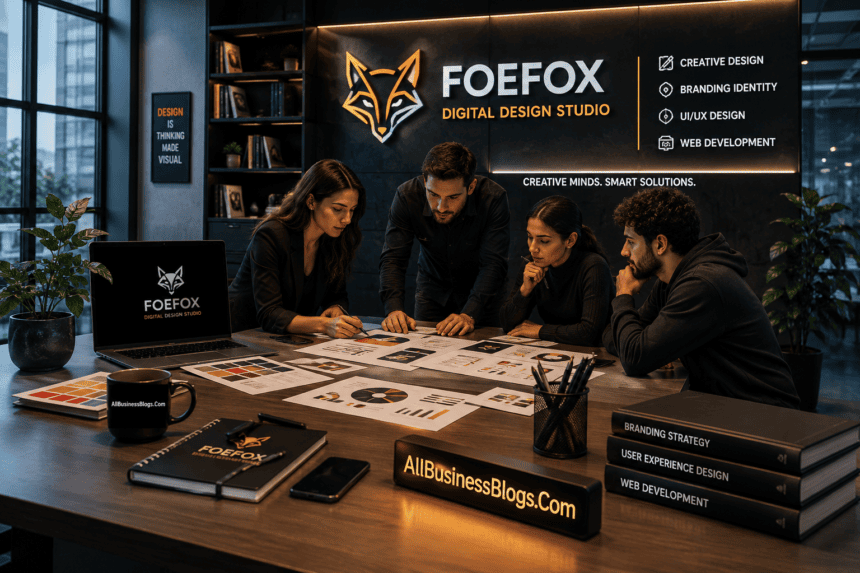
Foefox was recognized as a digital design and technology studio that worked with businesses seeking professional digital solutions. Its work focused on combining creative design with modern development practices to help organizations establish and strengthen their online presence. Rather than operating as a product-based software company, Foefox primarily delivered client-focused services tailored to different business requirements.
The company’s portfolio centered on areas such as website design, user experience, user interface development, branding, and software solutions. By bringing together creative professionals and developers, Foefox aimed to create digital products that were visually appealing while remaining practical and user-friendly. This balance between design and functionality became one of the defining characteristics associated with the company.
Unlike many organizations that specialize in only one area of digital services, Foefox adopted a multidisciplinary approach. Projects often involved collaboration between designers, developers, and creative strategists to ensure that every aspect of a client’s digital presence worked together effectively. This collaborative model reflected broader trends within the digital agency industry, where businesses increasingly expect integrated rather than isolated services.
Publicly available information about Foefox remains relatively limited compared with larger international technology companies. However, the available material consistently identifies the organization as a creative digital studio that emphasized innovation, design quality, and practical technology solutions. This explains why many people continue searching for information about Foefox, especially after its transition into Vaansoft.
History of Foefox
Understanding the history of Foefox helps explain how the company developed its identity within the digital services industry. Unlike many well-known technology companies that have extensive public documentation, Foefox has maintained a relatively limited public footprint. As a result, much of the available information focuses on its professional work, service offerings, and later association with Vaansoft rather than providing a detailed corporate timeline. Even so, the information that is publicly available presents a consistent picture of a company dedicated to creative digital solutions and client-focused development.
From its early years, Foefox positioned itself as a digital design studio that combined creativity with technology. Instead of concentrating on a single specialization, the company expanded its expertise across multiple areas, including website design, branding, user experience, and software development. This multidisciplinary approach reflected the growing demand for agencies capable of delivering complete digital solutions rather than isolated design or development services.
As digital transformation became increasingly important for businesses of all sizes, companies sought partners that could build professional online experiences while maintaining strong visual identities. Foefox adapted to these changing market expectations by offering services that combined design thinking with practical technology implementation. This approach helped establish its reputation as a creative digital partner rather than simply a web development agency.
Eventually, Foefox entered a new stage of its journey when it became part of Vaansoft. Rather than representing the end of the company’s work, this transition allowed its experience, creative capabilities, and technical expertise to continue under a larger organizational structure. Today, many people researching Foefox encounter both names together because of this important business development.
Foefox Design Studio Overview
Foefox operated as a design-focused digital studio that emphasized creating meaningful digital experiences for businesses. Its work extended beyond producing visually attractive websites by focusing on how users interacted with digital products. This balanced perspective enabled the company to combine aesthetics with functionality, ensuring that projects were both engaging and practical for end users.
The studio’s philosophy reflected a broader trend within the digital industry, where successful projects require collaboration between designers, developers, and strategic thinkers. Rather than treating design and development as separate disciplines, Foefox approached projects as integrated solutions in which every component contributed to the overall user experience. This collaborative process helped create products that aligned with business objectives while meeting modern usability expectations.
Another characteristic of the studio was its attention to brand consistency. Digital experiences often represent the first interaction customers have with a business, making visual identity an important part of online communication. Through thoughtful design and structured development, Foefox sought to create digital assets that accurately reflected each client’s brand values and long-term goals.
Although publicly available information does not document every project completed by the company, its overall positioning within the industry consistently highlights expertise in creative design, digital branding, and modern web technologies. These areas formed the foundation of its professional identity before its transition into Vaansoft.
Services Offered by Foefox
Website Design and Development
Website design and development formed one of Foefox’s primary areas of expertise. Modern businesses require websites that are more than attractive visual presentations; they also need platforms that deliver reliable performance, intuitive navigation, and compatibility across multiple devices. Foefox approached website development by combining creative design principles with technical implementation to produce professional digital experiences.
The design process typically emphasized clarity, accessibility, and responsiveness. As internet usage increasingly shifted toward mobile devices, responsive design became an essential requirement rather than an optional feature. Businesses needed websites capable of adapting to different screen sizes while maintaining usability and visual consistency. Solutions developed by digital studios like Foefox reflected these evolving expectations.
Beyond visual appearance, website development involved technical considerations such as page structure, navigation systems, content organization, and performance optimization. Effective websites support both user satisfaction and business objectives by making information easy to access and interactions simple to complete. Foefox’s focus on integrating design with development aligned with these industry standards.
A professionally developed website also serves as a long-term digital asset. Whether introducing a company, presenting services, or supporting customer communication, a well-designed website strengthens online credibility. This explains why website design remained a core component of Foefox’s service portfolio.
UI and UX Design
User Interface (UI) and User Experience (UX) design represent two closely connected disciplines that influence how people interact with digital products. Foefox recognized the importance of both elements by focusing not only on visual appearance but also on usability and user satisfaction throughout the design process.
UI design concentrates on the visual components users interact with, including layouts, typography, icons, buttons, and color systems. Effective interfaces guide users naturally through websites and applications while maintaining consistency across different pages and devices. A thoughtfully designed interface reduces confusion and improves overall engagement.
UX design extends beyond appearance by examining how users complete tasks, navigate information, and achieve their goals. Successful user experiences are built on research, planning, and continuous refinement. By considering user behavior and practical functionality, digital studios can create products that feel intuitive and efficient.
Combining UI and UX design allows businesses to deliver digital products that are both attractive and functional. This integrated perspective has become an industry standard because modern users expect seamless experiences across websites, applications, and digital platforms. Foefox’s emphasis on user-centered design reflected these broader developments within the digital design industry.
Branding and Creative Identity
A strong brand identity helps businesses communicate who they are, what they represent, and how they differ from competitors. Branding extends far beyond designing a logo; it includes visual consistency, messaging, typography, color systems, and the overall perception customers develop through repeated interactions.
Foefox’s creative services supported organizations seeking to establish professional and recognizable brand identities. Consistency across websites, marketing materials, and digital platforms helps strengthen customer recognition while building long-term trust. Well-developed branding creates a unified experience regardless of where customers encounter a business.
Creative identity also contributes to business credibility. Companies with professionally designed visual systems often appear more established and reliable, particularly in competitive industries where first impressions play an important role. Through design strategy and visual communication, businesses can present themselves more confidently to prospective clients and partners.
Effective branding is an ongoing process rather than a one-time project. As businesses evolve, their visual identity may require refinement to reflect new goals, products, or market positioning. This long-term perspective explains why branding continues to be one of the most valuable services offered by digital design studios.
Custom Software and Digital Solutions
In addition to design services, digital agencies increasingly provide customized software solutions that address specific business requirements. Rather than relying exclusively on off-the-shelf applications, organizations often benefit from software developed around their individual workflows and operational needs.
Custom software projects may include web-based applications, internal business systems, client management platforms, dashboards, and workflow automation tools. These solutions improve efficiency by supporting processes that generic software cannot fully accommodate.
Developing custom software requires close collaboration between technical teams and clients. Project requirements, business objectives, usability expectations, and future scalability all influence development decisions. This collaborative approach helps ensure that completed solutions remain valuable as organizations continue to grow.
By combining software development with design expertise, digital studios create products that balance technical performance with user-friendly interfaces. This integration supports businesses seeking comprehensive digital transformation rather than isolated technology services.
Industries Served by Foefox
Foefox worked in a field where flexibility was essential. Rather than focusing on a single industry, digital design studios typically collaborate with organizations that have different business goals, audiences, and technical requirements. This broad approach allows creative teams to adapt their expertise to projects ranging from small business websites to larger digital transformation initiatives. While detailed client lists for Foefox have not been publicly documented, its service portfolio indicates that it was positioned to support businesses across multiple sectors.
One of the industries that commonly benefits from digital design and development services is the corporate sector. Businesses require professional websites, consistent branding, and digital platforms that help communicate their services effectively. Through a combination of visual design and technical development, agencies like Foefox assist organizations in presenting a professional online presence that reflects their business identity.
Startups also represent an important audience for digital studios. New companies often need complete digital foundations, including branding, website development, user interface design, and digital product planning. Because startups typically work within evolving business models, they benefit from flexible design and development processes that can adapt as their products and services grow.
Technology companies, educational organizations, service providers, and other businesses undergoing digital transformation also rely on professional design expertise. Modern consumers increasingly expect intuitive online experiences, making digital design an essential component of customer engagement. By offering integrated creative and technical services, Foefox was positioned to support organizations seeking to strengthen their digital presence regardless of industry.
Business Philosophy and Working Approach
A Balance Between Creativity and Technology
Digital projects are most successful when creativity and technology work together rather than independently. Foefox reflected this philosophy by combining design thinking with practical software development, allowing businesses to receive solutions that were both visually appealing and technically reliable. This balanced approach has become increasingly important as digital products continue to evolve beyond simple informational websites.
Creative design plays an essential role in shaping first impressions. Colors, typography, layouts, imagery, and branding all influence how users perceive a business. However, visual appeal alone is not enough. Digital products must also perform efficiently, remain accessible across devices, and provide users with clear navigation and functional features.
By integrating designers and developers throughout the project lifecycle, digital studios can address both aesthetic and technical challenges simultaneously. This collaborative process often results in more consistent user experiences because design decisions are informed by technical possibilities, while development decisions remain aligned with user expectations.
The growing importance of user-centered digital experiences has reinforced this collaborative philosophy across the technology industry. Rather than separating creative and technical responsibilities, modern digital agencies increasingly view both disciplines as complementary components of successful digital products.
Client-Centered Project Development
Every organization has different objectives, audiences, and operational requirements. Because of these differences, digital solutions cannot rely on identical templates or standardized processes for every project. A client-centered approach focuses on understanding business goals before development begins, allowing each project to reflect the client’s unique needs.
This process generally starts with discussions about business objectives, target audiences, existing challenges, and desired outcomes. Gathering this information helps establish a clear project direction while reducing misunderstandings during later stages of development. Effective communication also strengthens collaboration between clients and creative teams throughout the project lifecycle.
Once project goals have been defined, designers and developers translate business requirements into practical digital solutions. Feedback remains an important part of this process because digital products often improve through multiple rounds of refinement. Adjustments to layouts, functionality, navigation, or branding can significantly enhance the final result without changing the project’s overall objectives.
A collaborative working relationship benefits both clients and service providers. Businesses receive solutions that better reflect their expectations, while creative teams gain valuable insights into industry-specific requirements. This mutual understanding contributes to stronger long-term partnerships and more successful project outcomes.
Company Culture
Creativity as a Core Value
Creative organizations depend on environments that encourage innovation, experimentation, and continuous learning. In digital design studios, creativity extends beyond producing attractive visuals; it also influences problem-solving, product strategy, user experience, and technical implementation. Public information describing Foefox consistently associates the company with creative digital services, suggesting that innovation formed an important part of its professional identity.
Creative work often requires individuals from different disciplines to contribute their expertise toward shared objectives. Designers, developers, content specialists, and project managers each bring unique perspectives that help strengthen final outcomes. Open collaboration encourages the exchange of ideas while allowing teams to refine solutions through discussion and constructive feedback.
Innovation also depends on adapting to changing technologies. Digital platforms, design standards, development frameworks, and user expectations continue to evolve rapidly. Organizations that invest in continuous learning are generally better equipped to deliver modern solutions that remain relevant as industry practices change.
Although detailed internal information about Foefox’s workplace culture has not been publicly documented, its emphasis on digital design and technology suggests an environment where creativity, adaptability, and collaboration were important professional values.
Collaboration Across Teams
Modern digital projects involve multiple areas of expertise working together throughout the development process. Rather than treating design, development, branding, and strategy as isolated tasks, collaborative organizations encourage continuous communication between departments from the beginning of a project until its completion.
This collaborative model offers several advantages. Designers can better understand technical limitations before finalizing concepts, while developers gain early insight into creative objectives. Project managers coordinate timelines and client communication, ensuring that every stage progresses efficiently without compromising quality.
Cross-functional teamwork also improves problem-solving. When challenges arise during development, diverse perspectives often lead to more effective solutions than isolated decision-making. Team members contribute different experiences and technical knowledge, creating opportunities for innovation that might otherwise be overlooked.
As digital services become increasingly complex, collaboration remains one of the defining characteristics of successful agencies. Integrating multiple disciplines within a single workflow allows organizations to deliver solutions that address both business objectives and user expectations in a cohesive manner.
Employee Experience and Professional Growth
Information regarding employee experiences at Foefox is limited in the public domain. Because verified employee reviews, workplace ratings, salary data, and internal policies have not been extensively published, it would not be appropriate to make assumptions about specific working conditions. Maintaining factual accuracy is important when discussing any organization’s workplace environment.
More broadly, digital design studios often provide opportunities for professionals in areas such as graphic design, UI/UX design, front-end development, back-end development, branding, digital strategy, and project management. These environments typically encourage collaboration between technical and creative specialists, allowing employees to expand their knowledge across multiple disciplines.
Continuous learning is another important aspect of digital industries. New programming frameworks, design tools, accessibility standards, and development methodologies emerge regularly. Professionals who remain committed to learning are generally better prepared to adapt to industry changes and contribute to increasingly sophisticated digital projects.
Without verified public information, it is more accurate to view Foefox as part of the broader digital agency ecosystem rather than making unsupported claims about its internal employment practices. Readers researching career opportunities should rely on official company announcements or verified recruitment sources whenever available.
Client Collaboration Process
Successful digital projects depend on effective communication between clients and development teams. While individual workflows vary from one agency to another, professional digital studios generally follow structured processes that guide projects from initial discussions to final delivery.
The first stage usually involves understanding the client’s objectives. Businesses may seek a redesigned website, stronger branding, improved user experience, or customized software solutions. Clearly defining these goals helps establish project priorities and creates a shared understanding between both parties before design or development begins.
After planning is complete, designers and developers begin transforming ideas into practical solutions. Initial concepts may be reviewed with clients, allowing feedback to shape future revisions. This collaborative approach reduces misunderstandings while ensuring that completed work remains aligned with business expectations.
Project completion does not necessarily end the relationship. Many organizations continue refining their digital platforms through maintenance, updates, feature enhancements, and performance improvements. Long-term collaboration allows digital products to evolve alongside changing business requirements and technological developments.
Foefox and Vaansoft: A New Beginning Together
One of the most significant developments in Foefox’s journey was its transition into Vaansoft. This change is the primary reason why people searching for Foefox today frequently encounter references to Vaansoft instead of finding an independent company profile. Rather than representing a complete disappearance of Foefox, the transition marked the beginning of a new phase in which its expertise and capabilities became part of a larger organization.
Publicly available information indicates that Foefox became part of Vaansoft as part of a business transition. While detailed corporate documentation explaining every stage of the process has not been published publicly, the available information consistently shows that Foefox’s identity evolved within Vaansoft instead of continuing as a separate independent brand. This explains why both names are closely connected in search results and online references.
Business transitions of this kind are common within the technology and digital services industry. Companies may combine their teams, resources, technical knowledge, and operational capabilities to strengthen service offerings and support future growth. In many cases, the goal is not to replace previous experience but to build upon it under a broader organizational structure.
For clients and industry observers, understanding this relationship helps remove confusion. Instead of viewing Foefox and Vaansoft as unrelated organizations, it is more accurate to recognize the transition as part of the company’s ongoing development within the digital services sector.
Understanding the Transition
Why Did Foefox Become Part of Vaansoft?
Although the organizations have not publicly shared every business decision behind the transition, acquisitions and brand integrations are well-established practices within the technology industry. Companies often join larger organizations to expand their capabilities, improve operational efficiency, and access broader resources that support long-term growth.
For creative studios, becoming part of a larger technology company can provide access to additional technical expertise, larger project opportunities, stronger infrastructure, and wider business networks. These advantages allow teams to work on more complex solutions while maintaining the creativity and innovation that originally defined their work.
Another important factor is scalability. As client expectations continue to grow, digital agencies frequently need additional development resources, specialized expertise, and operational support. Joining a larger organization creates opportunities to serve clients more effectively while managing increasingly sophisticated digital projects.
Because detailed internal discussions surrounding the Foefox–Vaansoft transition have not been made public, it would not be appropriate to attribute specific motivations to either company. However, the broader industry context demonstrates why similar transitions occur and how they often support sustainable business growth.
What Changed After the Transition?
The most noticeable change following the transition was the association of the Foefox brand with Vaansoft. Individuals searching for Foefox increasingly encountered information connected to Vaansoft, reflecting the company’s new organizational structure. This shift reduced the visibility of Foefox as an independent brand while strengthening the presence of Vaansoft as the primary public identity.
From a business perspective, transitions of this nature generally involve integrating teams, operational processes, and service portfolios. Instead of managing separate processes, companies often unify their teams and resources to simplify operations and ensure a smoother experience for their clients. Such integrations can simplify project management while enabling access to a wider range of expertise.
For existing clients, continuity is often an important priority during any organizational change. Maintaining ongoing projects, preserving communication channels, and ensuring consistent service quality help create confidence throughout the transition period. Although individual implementation details may vary, successful integrations typically focus on minimizing disruption while supporting long-term business relationships.
The transition also reflects the evolving nature of the digital services industry, where collaboration, consolidation, and strategic partnerships have become increasingly common. As technology continues to develop rapidly, organizations frequently seek new ways to strengthen their capabilities and remain competitive within a changing market.
Impact on Clients and Business Services
For clients, organizational transitions naturally raise questions about service continuity, project management, and future collaboration. One of the primary concerns is whether existing projects will continue without interruption. In most professional business integrations, maintaining client confidence remains a priority, making continuity an important objective throughout the transition process.
Bringing creative and technical teams together within a larger organization can also create opportunities for broader service offerings. Expanded expertise allows businesses to access a wider range of digital capabilities through a single provider rather than coordinating multiple agencies for different aspects of a project. This integrated approach can improve communication, simplify project management, and support more comprehensive digital solutions.
Another potential advantage involves access to additional resources. Larger organizations often have greater operational capacity, specialized professionals, and established development processes. These resources can support increasingly complex projects while enabling teams to respond more effectively to evolving client requirements.
Although every business integration is unique, the overall objective is generally to strengthen organizational capabilities rather than reduce service quality. For clients, the long-term value of such transitions depends on consistent communication, reliable project delivery, and continued commitment to professional standards.
Foefox’s Place in the Digital Services Industry
Foefox operated during a period when businesses across industries were investing heavily in digital transformation. Websites evolved from simple informational pages into comprehensive business platforms, while branding, user experience, and software development became essential components of modern customer engagement. Digital studios played an increasingly important role in helping organizations navigate these changes.
Within this environment, companies offering integrated creative and technical services became valuable partners for businesses seeking long-term digital growth. Instead of addressing design and development separately, many organizations preferred agencies capable of managing complete digital projects from planning through implementation. This industry trend aligned closely with the type of multidisciplinary services associated with Foefox.
The digital services industry itself continues to evolve rapidly. Advances in cloud computing, responsive design, accessibility standards, artificial intelligence, and user-centered development have reshaped client expectations over the past decade. Agencies operating within this environment must continuously adapt their skills and methodologies to remain competitive and deliver meaningful value.
Although Foefox later became part of Vaansoft, its journey reflects broader developments across the digital sector, where collaboration, innovation, and organizational growth remain central to long-term success.
Common Questions About Foefox
Is Foefox Still an Independent Company?
Based on publicly available information, Foefox is no longer presented as an independent organization. The company is now associated with Vaansoft, which represents the current organizational identity connected to its former operations.
Was Foefox a Software Company?
Foefox is better described as a digital design and technology studio rather than a traditional software product company. Its publicly known work focused on digital design, branding, website development, user experience, and technology solutions for clients.
Why Do Search Results Show Vaansoft Instead of Foefox?
Search results frequently connect Foefox with Vaansoft because Foefox became part of Vaansoft. As a result, information about the company is commonly presented under the Vaansoft brand instead of as a separate independent entity.
Is Detailed Information About Foefox Publicly Available?
Public information about Foefox is relatively limited compared with larger technology companies. Most available references focus on its digital services, professional capabilities, and its transition into Vaansoft rather than providing extensive corporate documentation.
Conclusion
Foefox established itself as a creative digital design and technology studio focused on helping businesses strengthen their digital presence through design, branding, user experience, and development services. Rather than limiting its work to a single discipline, the company embraced a multidisciplinary approach that combined creativity with technical expertise to deliver practical digital solutions. This balanced philosophy reflected the changing needs of organizations seeking comprehensive support for their online growth.
An important milestone in the company’s history was its transition into Vaansoft. Publicly available information indicates that this change represented an organizational evolution rather than a complete disappearance of Foefox’s expertise. By becoming part of Vaansoft, the company’s creative capabilities and professional experience continued within a broader business structure, explaining why the two names are now closely connected in online searches.
Even though only a limited amount of public information is available about Foefox, the company is generally recognized as a digital design studio that combined creative expertise with modern technology to develop effective digital solutions. Understanding its background, service areas, and relationship with Vaansoft provides valuable context for anyone researching the company today.
How Foefox Approached Digital Innovation
The digital services industry has evolved rapidly over the past decade, requiring agencies to balance creative thinking with technical expertise. Organizations no longer look for websites that simply display information. Instead, they expect digital solutions that improve customer engagement, strengthen brand identity, and support long-term business growth. Studios operating in this space must continually adapt to changing technologies and user expectations.
Foefox positioned itself within this evolving environment by focusing on creative digital solutions rather than limiting its expertise to a single discipline. Its publicly available service descriptions indicate an emphasis on website development, branding, user interface design, and user experience. This multidisciplinary approach reflects a broader industry trend in which businesses increasingly prefer agencies capable of delivering complete digital solutions under one roof.
Digital innovation is not limited to adopting the latest technologies. It also involves understanding user behavior, identifying business objectives, and designing products that solve practical problems. Agencies working in this field often begin projects by understanding client requirements before translating those objectives into digital experiences that are visually appealing, technically reliable, and easy to use.
As businesses continue expanding their online presence, the role of creative digital agencies has become increasingly important. Professional design, intuitive navigation, responsive development, and consistent branding all contribute to stronger customer experiences. These principles continue to influence the digital services industry and remain relevant regardless of organizational changes or evolving technologies.
Why Foefox Continues to Be Searched Online
Although Foefox later became associated with Vaansoft, the company continues to attract online searches for several reasons. One of the most common factors is the persistence of older digital references. Websites, portfolios, blog posts, and archived pages often continue appearing in search results long after a company’s branding has changed, leading users to investigate its current status.
Another reason is professional curiosity. Individuals researching digital agencies, potential business partners, or historical company information frequently search for organizations that have undergone mergers or brand transitions. Because Foefox became part of Vaansoft, many users want to understand the relationship between the two names and whether they represent separate companies or different stages of the same organization’s development.
Search interest may also come from former clients, job seekers, designers, or developers who previously interacted with the company. As organizations evolve, people naturally look for updated information regarding ownership, services, or business identity. Today, anyone looking up Foefox online will usually come across Vaansoft, as the company now operates under its broader organizational identity.
The continued visibility of Foefox demonstrates how digital identities can remain relevant even after organizational changes. Search engines preserve historical references, while users continue seeking context about companies they encounter through professional networks, archived content, or previous business relationships. Recognizing this background makes it easier to understand why Foefox continues to attract attention even after becoming part of Vaansoft.
Final Thoughts
Researching Foefox provides insight into the development of a creative digital studio that later became part of Vaansoft. While publicly available information is not as extensive as it is for larger international technology companies, the available sources consistently describe Foefox as an organization focused on digital design, branding, user experience, website development, and technology solutions.
Its transition into Vaansoft represents an important chapter in its history rather than the disappearance of its professional expertise. Instead, the move reflects a broader trend within the technology industry, where organizations combine resources, talent, and experience to support future growth and deliver more comprehensive digital services.
For readers looking to understand the company today, the most accurate perspective is to view Foefox as an important part of Vaansoft’s broader organizational journey. Recognizing this relationship clarifies why both names continue to appear together in online searches and provides meaningful context for understanding the company’s evolution within the digital services industry.