

Introduction
Dojen Moe is an emerging internet-based term used in anime fan communities to describe a creative fusion of doujin culture (independent fan-made works) and moe aesthetics (emotionally appealing, cute character design). Although not an officially recognized Japanese academic term, it has gained popularity in online discussions where anime fans share digital art, illustrations, and storytelling inspired by these two cultural elements.
In modern digital spaces, Dojen Moe represents more than just art—it reflects a global fan movement where creativity, emotion, and identity come together. Artists use this style to express personal interpretations of anime characters or create entirely new ones that emphasize emotional connection and visual softness.
This concept continues to grow as online platforms allow fans worldwide to collaborate, share artwork, and build communities around anime-inspired creativity.
Featured Snippet
Dojen Moe refers to a fan-driven digital aesthetic combining doujin (independent anime/manga creations) and moe (emotional character appeal). It represents online anime fan art culture focused on expressive, cute, and emotionally engaging character designs shared within global creative communities.
What Is Dojen Moe?
Dojen Moe is an informal internet concept used to describe anime-inspired fan creativity that combines independent doujin-style production with moe character aesthetics. It is commonly found in digital art communities where fans create expressive illustrations, original characters, or reinterpretations of existing anime figures.
Unlike official genres, Dojen Moe is not a fixed category. Instead, it functions as a creative label used by online communities to describe emotionally engaging anime-style artwork produced outside commercial studios.
This makes Dojen Moe more of a cultural expression than a formal artistic definition.
Meaning of Doujin and Moe
Doujin (Independent Creative Works)
Doujin refers to self-published works created by fans or independent artists. These include manga, illustrations, novels, and digital content that are produced outside mainstream publishing industries.
The key feature of doujin culture is creative freedom. Artists can experiment with storytelling, characters, and styles without corporate restrictions. This freedom has made doujin a foundation of modern anime fan culture.
Moe (Emotional Character Appeal)
Moe is a Japanese cultural concept that describes the emotional response fans feel toward fictional characters. It is often associated with feelings of affection, cuteness, or attachment.
Moe influences character design in anime by emphasizing expressive eyes, soft personalities, and emotionally engaging traits that create strong viewer connections.
Together, doujin and moe form the foundation of Dojen Moe-style creativity.
Origins in Anime Fan Culture
Dojen Moe originates from broader Japanese otaku and doujin communities that became popular in the late 20th century. These communities allowed fans to create and share their own interpretations of anime and manga.
With the rise of the internet, especially art-sharing platforms and social media, these fan practices spread globally. Artists from different countries began contributing to anime-inspired digital art, blending cultural styles and emotional aesthetics.
Over time, this online expansion led to informal terms like Dojen Moe being used to describe this evolving creative space.
Digital Evolution of Dojen Moe
In the digital era, Dojen Moe-style content has grown rapidly due to online platforms that support artistic sharing. Social media, art forums, and digital galleries allow creators to publish work instantly and receive feedback from global audiences.
This digital transformation has made anime-inspired fan art more accessible and widespread than ever before. Artists can now collaborate, learn new techniques, and build communities without geographic limitations.
As a result, Dojen Moe has become part of a larger global digital art movement driven by fan participation.
Influence of Anime and Manga
Anime and manga play a central role in shaping Dojen Moe aesthetics. Many artists draw inspiration from popular series, character designs, and storytelling styles.
Common influences include expressive facial features, emotional storytelling, and character archetypes that emphasize innocence, charm, and personality depth.
These elements are reinterpreted by fan artists to create original works that reflect both admiration for anime culture and personal creativity.
Creative Process Behind the Art Style
The creation of Dojen Moe-style artwork typically begins with sketching character concepts inspired by emotion or imagination. Artists focus on capturing personality through simple but expressive designs.
Digital tools are commonly used to refine illustrations, adjust colors, and add visual depth. Soft color palettes and smooth shading are often chosen to enhance emotional appeal.
Community feedback also plays an important role, as artists share their work online and improve through interaction with other creators.
Popular Themes in Dojen Moe Art
Dojen Moe artwork often features recurring themes that reflect emotional and visual storytelling:
- Cute and expressive characters
- Everyday life scenes with emotional tone
- Fantasy-inspired reinterpretations
- Friendship, nostalgia, and emotional bonding
These themes help create a strong connection between the artwork and the audience, making the content more relatable and engaging.
Role in Online Communities
Online communities are essential to the growth of Dojen Moe culture. Platforms dedicated to art sharing allow creators to showcase their work and connect with global audiences.
These communities encourage collaboration, inspiration, and artistic experimentation. Fans also play an active role by supporting creators and sharing their interpretations.
This interaction turns Dojen Moe into a living digital ecosystem of creativity and fandom.
Cultural Importance
Dojen Moe reflects how modern fandoms have evolved from passive consumption to active participation. Fans are no longer just viewers—they are creators contributing to the culture itself.
It also highlights the importance of emotional storytelling in digital media, where character connection and visual expression play key roles in audience engagement.
This makes Dojen Moe an important example of how internet culture shapes modern art trends.
Challenges and Misinterpretations
Since Dojen Moe is not an official term, it is often misunderstood or used inconsistently across communities. Different users may interpret it in different ways.
Another challenge is the issue of copyright in fan-made content, especially when artists base work on existing characters. While doujin culture traditionally accepts fan creativity, global platforms have varying rules.
Despite these challenges, the community continues to expand and adapt.
Future of Dojen Moe
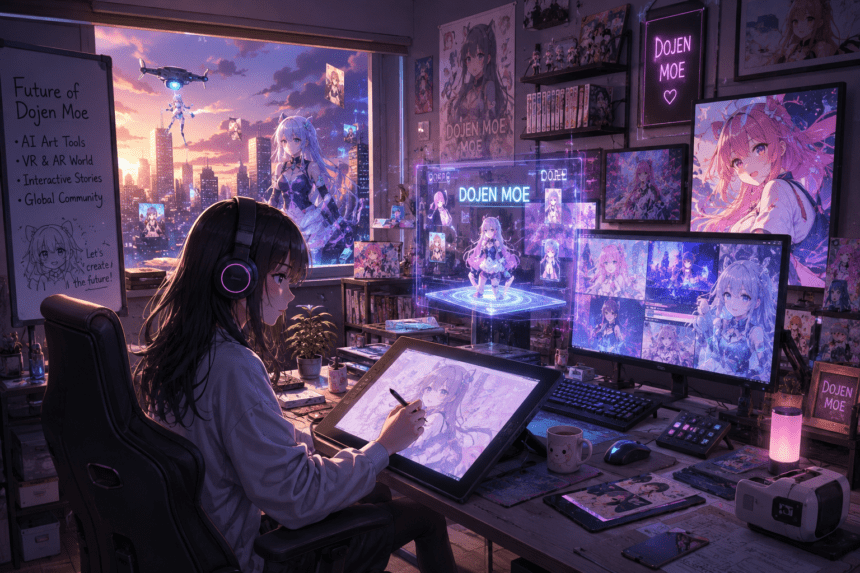
The future of Dojen Moe is closely connected to advancements in digital creativity tools. AI-assisted art, virtual reality environments, and interactive storytelling platforms are expected to influence its development.
As anime fandom continues to grow worldwide, Dojen Moe-style creativity may become more integrated into mainstream digital entertainment and independent media production.
This suggests a future where fan-driven art plays an even bigger role in global creative industries.
FAQs
What is Dojen Moe?
It is an informal term describing fan-made anime art combining doujin creativity and moe aesthetics.
Is Dojen Moe an official Japanese term?
No, it is an internet-based concept used in anime fan communities.
What does moe mean?
Moe refers to emotional attachment to cute or appealing fictional characters.
What is doujin culture?
Doujin culture involves independent fan-made manga, art, and storytelling.
Why is Dojen Moe popular?
Because it blends emotional expression with creative freedom in anime-style art.
Conclusion
Dojen Moe represents a modern digital expression of anime fan culture where creativity and emotion merge. While not formally defined, it reflects a real and growing movement driven by independent artists and online communities.
It highlights how digital platforms have transformed fandom into an active creative space where imagination, storytelling, and emotional design come together.